
I still remember the first time I opened a package of high-mountain Taiwanese oolong—expecting something like the grassy green tea I knew—only to be hit with this incredible wave of creamy, almost floral sweetness. Then, weeks later, trying my first Wuyi rock tea: roasty, mineral, completely different. That’s when I realized oolong isn’t just one thing—it’s an entire universe of flavors waiting to be explored.
What Is Oolong Tea?
Where it sits on the oxidation spectrum
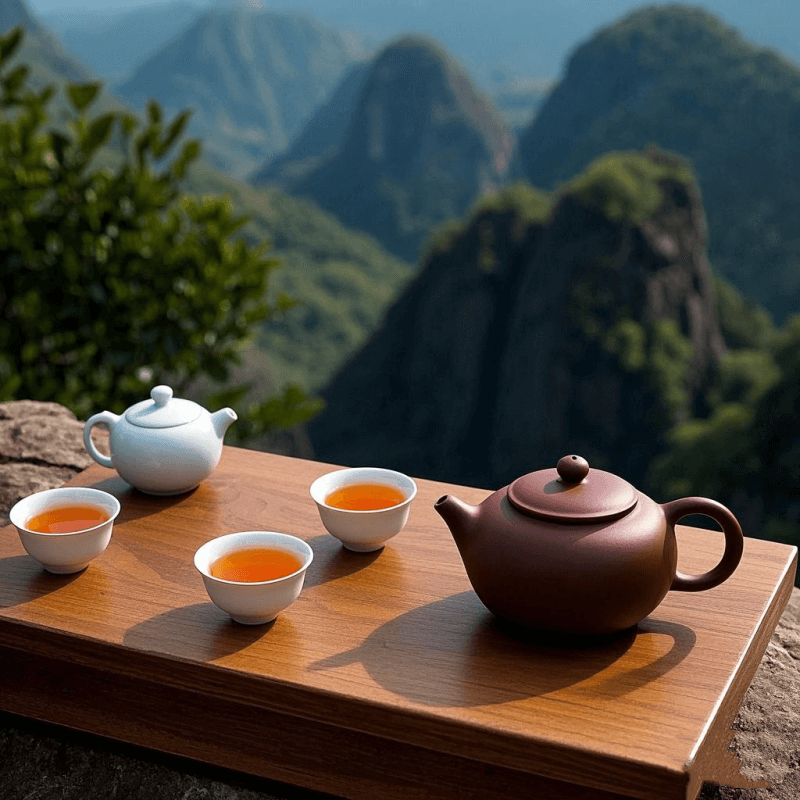
Oolong occupies the fascinating middle ground between green and black tea, with oxidation levels ranging anywhere from 10% to over 80%. This wide spectrum means you can find oolongs that taste almost like green tea (light and floral) or others that lean toward black tea territory (rich and malty). The oxidation level is what gives each oolong its unique character.
Processing basics
The magic happens through a careful dance of withering, bruising, oxidation, fixation, and rolling. Leaves are gently bruised to start oxidation, then heated to stop it at just the right moment. Some oolongs are ball-rolled into tight pellets (like Tieguanyin), while others remain in long, twisted strips. This processing flexibility is why oolongs offer such incredible variety.
Roast level & terroir
Light-roasted, high-mountain oolongs tend toward delicate florals and cream, while heavily roasted varieties develop deep, toasty notes. Wuyi oolongs grown in rocky soil develop their famous “rock” minerality—a taste that’s hard to describe but impossible to forget once you’ve experienced it.
Flavor in Real Life: How Oolong Actually Tastes
Light oolongs
These are the gateway drugs of the oolong world. Think orchid blossoms, gardenia, and this almost buttery creaminess that coats your mouth. Many people describe “milk oolong” notes—a natural sweetness that develops without any added flavoring. It’s delicate but substantial, floral without being perfumy.
Medium/roasted oolongs
Here’s where things get interesting. You’ll taste honey, toasted almonds, dried stone fruits, and often a mineral backbone that grounds all those sweet notes. The roasting process caramelizes natural sugars in the leaf, creating complexity that keeps evolving with each sip.
Aftertaste & texture
The finish is where oolong really shines. That lingering sweetness that appears minutes after swallowing, sometimes with hints of peach or melon. The mouthfeel can range from light and refreshing to rich and coating. I’ve had sessions where the third infusion revealed completely new flavors—the tea literally changing as I drank it, moving from buttery to nectar-like as the leaves opened up.
My Experience: First Sips to Daily Ritual
The learning curve
My early attempts were disasters. Boiling water, five-minute steeps, bitter results. I nearly gave up on oolong entirely, thinking it was just overhyped. The breakthrough came when I learned that oolong leaves are actually quite forgiving—if you treat them right.
What changed everything
Shorter infusions, cooler water (around 195°F instead of boiling), and using more leaves in a smaller vessel. The Gongfu approach—multiple short steeps—revealed layers of flavor I never knew existed. Suddenly, the same tea that had been bitter and harsh became smooth, complex, and endlessly interesting.
The habit
Now I reach for oolong mid-morning when I need focus without the jitters that coffee sometimes brings. There’s something about the sustained, gentle energy that pairs perfectly with deep work. Weekend mornings call for longer Gongfu sessions—a meditative ritual that sets the tone for the day.
Main Types of Oolong (China & Taiwan)
Anxi Tieguanyin
Classic Chinese oolong with bright florals and natural creaminess. Usually lightly roasted, it’s approachable for newcomers but complex enough to keep experts interested. Look for that distinctive orchid aroma.
Wuyi Yancha / Da Hong Pao
The “rock teas” of Fujian province. These grow in mineral-rich soil that imparts a unique rocky, almost smoky character alongside roasted cocoa notes. Da Hong Pao is the most famous, but don’t overlook other Yancha varieties.
Dong Ding & High-Mountain Taiwanese oolongs
Taiwan’s high-altitude oolongs offer incredible complexity. Dong Ding brings toasty, honeyed notes, while high-mountain varieties (grown above 1000 meters) develop that famous alpine sweetness and buttery texture.
Oriental Beauty (Bai Hao)
The wild card of the oolong world. These leaves are naturally “bug-bitten,” which triggers a defense response that creates honey and muscat flavors. It’s sweet without being cloying, complex without being overwhelming.
“Milk Oolong”
Real milk oolong comes from the Jin Xuan cultivar and develops creamy notes naturally. Beware of artificially flavored versions—authentic milk oolong has subtle creaminess, not overwhelming vanilla or cream flavoring.
Oolong vs. Green vs. Black Tea
Processing & oxidation differences
Green tea is quickly heated to prevent oxidation, preserving fresh, grassy flavors. Black tea is fully oxidized for bold, malty notes. Oolong’s partial oxidation creates a sweet spot between the two, offering complexity that neither extreme can match.
Flavor & mouthfeel
Where green tea can be thin and astringent, and black tea sometimes harsh, oolong tends toward balance. The texture is often fuller than green tea but smoother than many black teas.
When I pick each one
Green tea for morning clarity and food pairing with lighter meals. Black tea when I need serious caffeine or with hearty breakfast foods. Oolong for those in-between moments—contemplation, focused work, or when I want something both comforting and interesting.
How to Brew Oolong (Western & Gongfu)
Western method
Use 2-3 grams per 250ml of water, heated to 185-203°F depending on the roast level. Steep for 2-3 minutes for the first infusion. Quality oolongs easily give you 2-3 good Western-style infusions.
Gongfu method
This is where oolong really shines. Use about 1 gram per 15-20ml of water in a small teapot or gaiwan. First steep: 15-30 seconds. Each subsequent infusion can be 5-10 seconds longer. You’ll get 6-8 beautiful infusions from good oolong, each revealing different aspects of the tea.
Cold brew
For hot days, try 6-8 grams per liter of filtered water, steeped in the fridge for 6-10 hours. The result is incredibly clean and sweet, highlighting the tea’s natural flavors without any bitterness.
Water quality & kettle accuracy
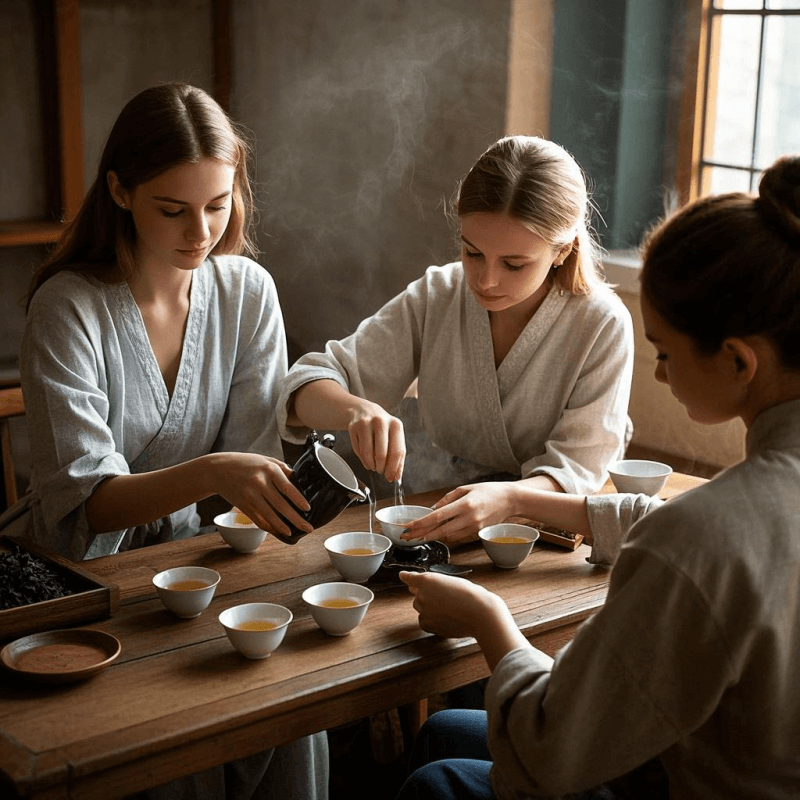
Filtered water makes a noticeable difference. If your water tastes good plain, it’ll make good tea. Preheat your teaware—cold ceramic sucks heat from your brew water faster than you’d think.
Caffeine, Body Feel & When I Drink It
General caffeine guidance
Oolong typically contains moderate caffeine—more than green tea, less than black tea, but the range varies significantly. The sustained energy feels different from coffee’s quick hit, more like a gentle, focused alertness.
Personal timing
I find oolong perfect for mid-morning when I need sustained concentration, or as an afternoon pick-me-up that won’t interfere with evening wind-down. The energy feels clean and doesn’t seem to crash the way coffee sometimes does.
Buying Guide: Quality Signals & Red Flags
Look for
Clear origin information, harvest season, processing details, and roast level. Vacuum-sealed packaging protects the tea from air and light. Reputable vendors will provide brewing guidance and often offer sample sizes.
Smell & leaf shape
Quality oolong should have vibrant, complex aroma even when dry. Leaves should be whole, with tight rolls or uniform strips. Avoid dusty, broken leaves or anything with an off smell.
Price sanity
High-mountain doesn’t always mean expensive, and expensive doesn’t guarantee quality. Start with sample sizes to find what you enjoy before committing to larger quantities.
Common Mistakes I Made—and Fixes
Water too hot
I used to pour boiling water over everything. For lighter oolongs, try 185-190°F instead of 200°F+. If your first sip is bitter, lower the temperature and shorten the next steep.
Using too few leaves
Especially in Gongfu brewing, don’t be afraid to use what seems like “too much” tea. More leaf with shorter steeps gives you more control and better flavor development across multiple infusions.
Letting it go stale
I learned to split larger purchases into small, airtight containers, keeping most sealed while working through one portion. Oolong’s complex oils fade faster than you’d expect once exposed to air.
Final Thoughts & Next Steps
Simple starter kit
Start with 100-150 grams split between one floral (like Tieguanyin) and one roasted (like Dong Ding or a Wuyi rock tea). This gives you the full spectrum without overwhelming choice.
My two easy routines
Weekdays: Western brewing in a large mug—simple, forgiving, fits into busy mornings. Weekends: Gongfu sessions with multiple short infusions—meditative, exploratory, social when friends visit.
Encourage exploration
Sample packs are your friend. Keep notes on what you like and don’t like. Oolong rewards patience and experimentation, revealing new facets as your palate develops and your brewing skills improve. The journey from that first confusing cup to daily ritual is part of what makes oolong so rewarding.