
Oolong tea seems to be everywhere lately—wellness influencers swear by it for weight loss, productivity gurus claim it’s the perfect coffee alternative, and tea enthusiasts call it the most complex brew you can find. After drinking oolong regularly for eight months, I can tell you it’s genuinely useful for certain things, but it’s not the miracle elixir some make it out to be. This guide gives you the honest truth about what oolong can (and can’t) do for you.
What Is Oolong Tea?
Where it sits between green and black tea (partially oxidized)
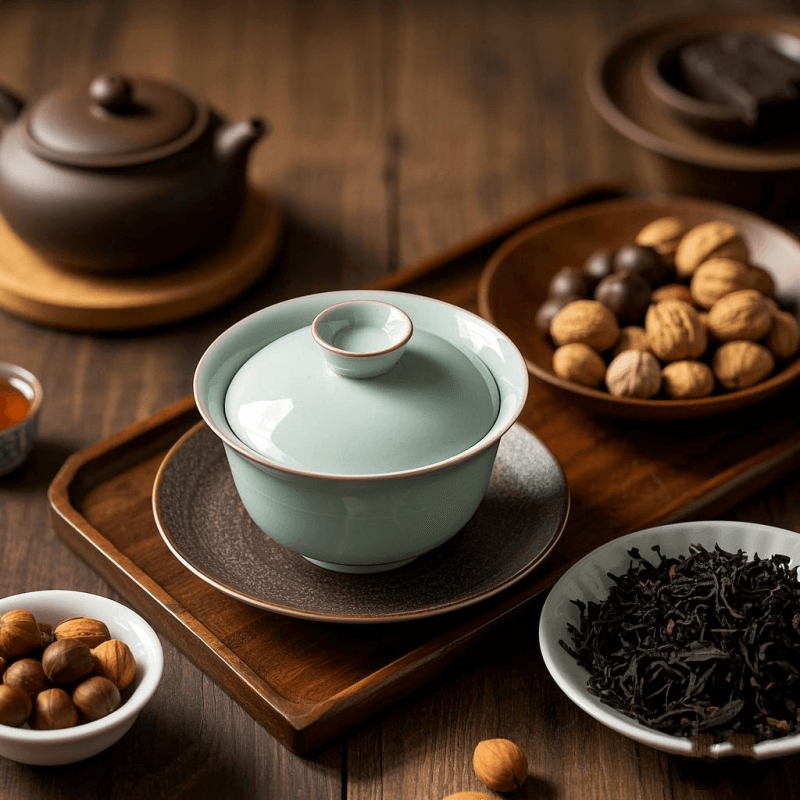
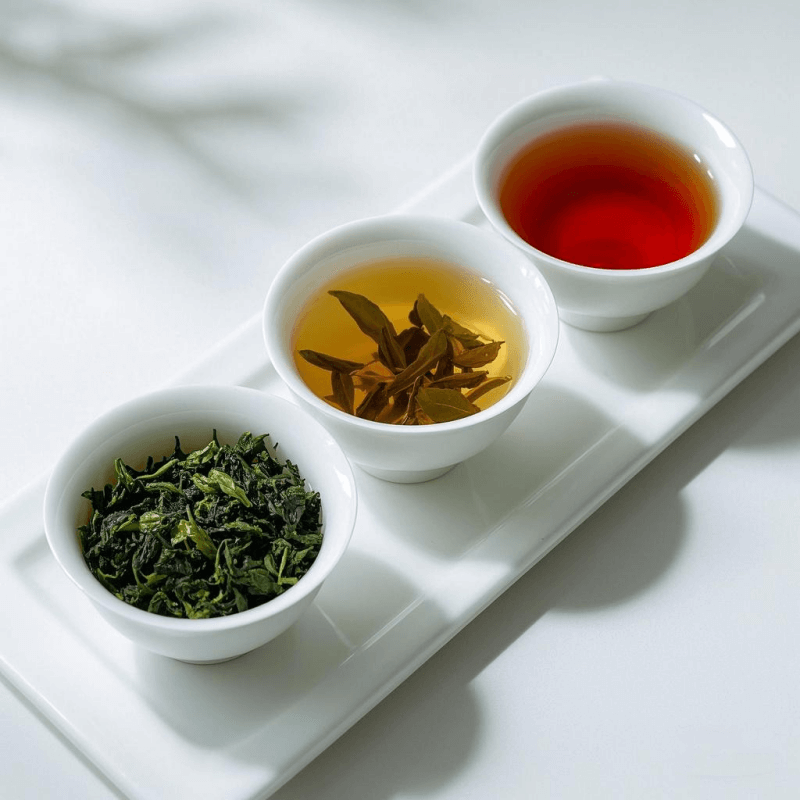
Oolong occupies the sweet spot between green and black tea, with oxidation levels ranging from 20% to 80%. Think of it as tea’s middle child—more complex than green tea but not as bold as black tea. This partial oxidation creates a unique flavor profile that can change dramatically depending on how it’s processed.
Flavor spectrum (floral, creamy, roasted) & varietals (Tieguanyin, Dong Ding, Da Hong Pao)
The flavor range is honestly impressive. Light oolongs like Tieguanyin can taste almost floral and buttery, while heavily roasted varieties like Da Hong Pao have deep, mineral notes that remind me of dark chocolate. Dong Ding falls somewhere in between with a honey-like sweetness that’s become my daily go-to.
First impression [PERSONAL NOTE] (aroma, mouthfeel, aftertaste)
My first sip of quality oolong was a revelation. The aroma hit first—complex and layered, like walking through a garden after rain. The mouthfeel was fuller than green tea but smoother than black tea, with an aftertaste that lingered pleasantly for minutes. It felt sophisticated without being pretentious.
Oolong Tea Benefits (Backed by Common Sense)
Mental clarity & calm focus (caffeine + L-theanine synergy)
The combination of moderate caffeine (about 30-50mg per cup) and L-theanine creates what I call “productive calm.” Unlike coffee’s immediate jolt, oolong provides steady energy that builds gradually and doesn’t crash hard. I notice improved focus during afternoon work sessions without the jittery feeling I get from espresso.
Gentle energy vs. jitters (how it compares to coffee)
For someone who loves coffee but sometimes pays for it with anxiety, oolong has become my strategic substitute. The energy feels cleaner and more sustainable. I can drink two cups of oolong without the hand tremors that one large coffee sometimes gives me.
Hydration with flavor (helps me drink more water)
This might sound basic, but oolong helped me increase my daily fluid intake significantly. Plain water gets boring, but oolong is flavorful enough to keep me interested while still being fundamentally hydrating. I easily drink 3-4 cups throughout the day now.
Digestive comfort after meals (subjective but common)
Many people report digestive benefits from oolong, and while I can’t point to specific studies, I do notice less bloating when I drink it after heavier meals. The warm liquid seems to help with digestion, though this could be psychological or simply the effect of staying hydrated.
Everyday antioxidant support (keep claims modest)
Like all teas, oolong contains polyphenols and other antioxidants. While I won’t claim this prevents diseases, getting antioxidants from a beverage I actually enjoy feels like a reasonable daily habit—much better than choking down supplements.
What’s Overhyped (Read Before You Believe the Hype)
Rapid weight loss claims (what’s realistic vs. marketing)
Social media is full of before-and-after photos crediting oolong with dramatic weight loss. Here’s reality: oolong might slightly boost metabolism and help with fat oxidation, but we’re talking about marginal effects. Any weight changes I’ve experienced are more likely due to replacing high-calorie drinks with tea, not some magical fat-burning property.
“Detox” or miracle fixes (why that framing is misleading)
Your liver and kidneys handle detoxification perfectly well without special teas. Oolong won’t “flush toxins” or “cleanse” your system in any meaningful way. It’s a pleasant, mildly beneficial beverage—not a medical treatment.
One-cup cures (consistency matters more than miracles)
I tested the claim that a single cup of oolong could boost mental performance for hours. The result? Barely noticeable. The real benefits come from consistent daily consumption over weeks, not from any single magical cup.
Who Might Benefit Most
Coffee-sensitive folks seeking smoother energy
If coffee makes you anxious or disrupts your sleep even when consumed early, oolong could be your answer. The energy is more subtle and longer-lasting without the dramatic peaks and valleys.
Afternoon slump crew needing focus without late-day crash
That 2-3 PM energy dip hits differently with oolong. A cup around 1 PM gives me sustained focus through the afternoon without interfering with evening wind-down.
People building a small, pleasant hydration ritual
If you struggle to drink enough fluids or want to replace sugary drinks with something more interesting than water, oolong provides flavor variety and ritual without artificial additives.
When to reconsider (pregnancy, caffeine sensitivity, meds–see safety)
Pregnant women should limit caffeine intake, and those on blood thinners should check with their doctor since tea can affect iron absorption. If you’re extremely caffeine-sensitive, even oolong’s moderate levels might be too much.
How I Brew Oolong (Step-by-Step)
Western mug method (simple, forgiving)
For daily drinking, I use one teaspoon of loose leaf per 8oz of water heated to 190-200°F. Steep for 2-3 minutes for lighter oolongs, 3-4 minutes for darker varieties. This method is foolproof and still produces excellent flavor.
Gongfu style (short steeps, big flavor; fun ritual)
When I have time, I use the traditional gongfu method: small teapot, higher leaf-to-water ratio, multiple short steeps (30 seconds to 2 minutes). Each steeping reveals different flavor notes, turning tea time into a mindful experience.
Water temp & timing cheat-sheet + common mistakes
The biggest mistake I made initially was using boiling water on delicate oolongs—it creates bitterness. Now I let water cool for 2-3 minutes after boiling. Over-steeping is another issue; better to start short and increase time if needed.
My Routine & Results (Honest Take)
Baseline habits before oolong
I was drinking 2-3 cups of coffee daily, often feeling wired by noon and tired by 4 PM. My afternoon productivity was inconsistent, and I frequently reached for sugary snacks during energy dips.
What changed after 2–4 weeks (energy, snacking, mood)
Energy levels became more stable throughout the day. I noticed less mindless snacking, possibly because the ritual of brewing tea gave me something to do with my hands. My mood felt more even, without coffee’s highs and lows.
What didn’t change & realistic expectations
My overall productivity didn’t dramatically increase, and I didn’t lose weight. Sleep quality improved slightly, but that could be due to reducing afternoon coffee rather than adding oolong specifically.
Best Times to Drink & Pairings
Morning focus vs. post-lunch reset
I prefer lighter oolongs in the morning for gentle awakening, and richer varieties after lunch for sustained afternoon energy. The key is timing your last cup at least 6 hours before bedtime.
Food pairings I enjoyed [PERSONAL NOTE]
Oolong pairs beautifully with nuts, mild cheeses, and fruit. I particularly enjoy it with dark chocolate or during light afternoon snacks. The tea’s complexity complements food without overwhelming it.
Side Effects, Interactions & Safety
Too much caffeine signs (jitters, sleep issues)
Even with oolong’s moderate caffeine, overdoing it can cause restlessness or sleep disruption. I learned my limit is about 4 cups per day—beyond that, I start feeling wired.
Tannins & sensitive stomach–brew tweaks that help
If oolong upsets your stomach, try brewing it lighter or drinking it with food. The tannins can be harsh on an empty stomach, especially first thing in the morning.
How to Choose a Good Oolong (Buying Tips)
Look for harvest info, origin, and roast level
Quality oolong should list its origin, harvest date, and oxidation/roast level. Avoid anything that just says “oolong” without specifics. I’ve found Taiwanese and Fujian varieties consistently reliable.
Starter picks (light, medium, roasted profiles)
For beginners, I recommend starting with a light Tieguanyin for floral notes, a medium-roasted Dong Ding for balance, and a darker Da Hong Pao for robust flavor. This gives you the full spectrum to find your preference.
Final Verdict & Action Plan
Oolong tea works best for people seeking a coffee alternative with sustained energy, those wanting to increase fluid intake pleasantly, or anyone interested in a mindful daily ritual. Start with one quality variety, brew it consistently for 2-3 weeks, and pay attention to how your body responds. It’s not a miracle cure, but it’s a genuinely useful addition to a healthy lifestyle—just keep your expectations realistic and enjoy the process.