
A Quick Intro (and Why I Reached for Oolong)
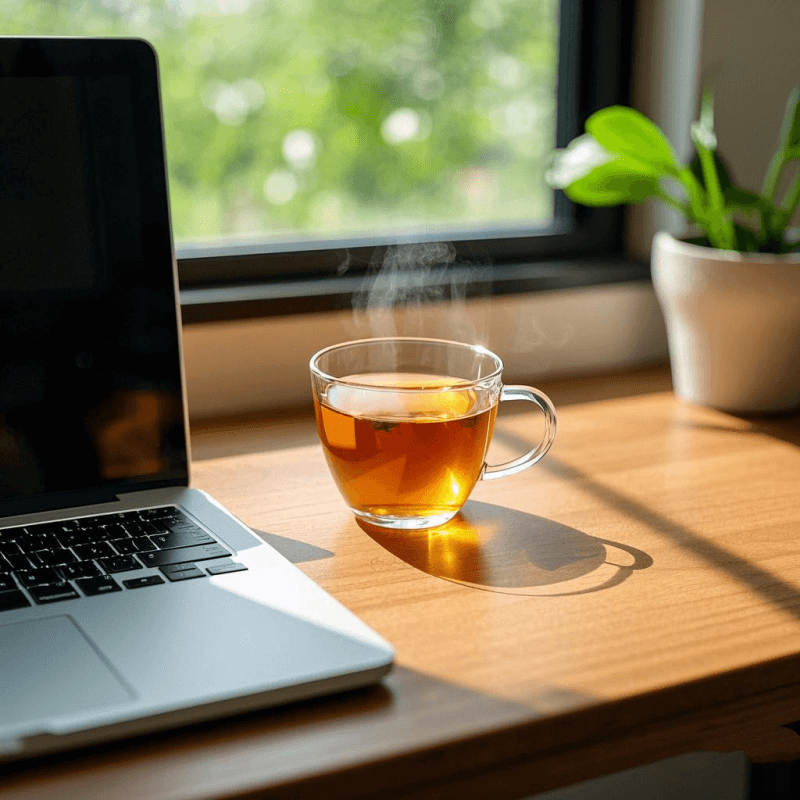
The first sip hit me like a gentle wave—an aroma somewhere between roasted peach and honeyed orchid, followed by a complexity that made me pause mid-morning rush. That was my introduction to oolong tea benefits, and it transformed not just my tea routine, but my entire approach to mindful energy. If you’re curious about what this remarkable tea can offer beyond its captivating taste, you’re in for a treat that goes far deeper than the cup.
What Is Oolong Tea?
Where It Sits Between Green and Black
Oolong occupies the fascinating middle ground in tea processing—partially oxidized, typically between 20-80%. While green tea skips oxidation entirely and black tea goes full throttle, oolong finds its sweet spot through careful timing and artistry. This partial oxidation creates oolong’s signature complexity: lighter than black tea’s boldness, yet richer than green tea’s grassy freshness.
Famous Styles and Flavor Notes
Tieguanyin delivers orchid-like florals with a creamy finish—imagine walking through a garden after morning dew. Da Hong Pao brings mineral depth with roasted notes that whisper of ancient cliffs and wood smoke. Oriental Beauty offers natural honey sweetness with fruity complexity, often called the “Champagne of teas.” Each style showcases how terroir and processing create entirely different experiences from the same Camellia sinensis plant.
Oolong Tea Benefits You Might Notice
Energy & Calm Focus
The health benefits of oolong tea start with its unique caffeine profile. With roughly 30-50mg per cup (compared to coffee’s 95mg), oolong provides sustained energy without the crash. The magic lies in L-theanine, an amino acid that promotes calm alertness. I noticed this during my first week—energy that felt grounded rather than jittery, focus that lasted hours without the 3pm crash.
Digestion & Post-Meal Comfort
Traditional Chinese medicine has long recommended oolong after meals, and modern experience backs this up. The tea’s polyphenols may help break down fats and ease digestion. Many oolong enthusiasts, myself included, find it particularly soothing after heavier meals—a gentle reset that doesn’t weigh you down.
Antioxidants for Overall Wellness
Oolong’s partial oxidation creates a unique antioxidant profile combining both green tea’s catechins and black tea’s theaflavins. These compounds fight free radicals and support cellular health. While I can’t measure my antioxidant levels directly, the sustained energy and general sense of wellness I experience feels connected to this daily dose of protective compounds.
Metabolism & Weight Management
One of the most talked-about benefits of drinking oolong tea involves metabolism support. Studies suggest oolong may increase fat oxidation by up to 12%, though individual results vary significantly. The realistic perspective? Oolong tea for weight loss works best as part of an overall healthy lifestyle—not a magic bullet, but a pleasant ally in wellness goals.
Heart & Cholesterol Support
Research indicates regular oolong consumption may help maintain healthy cholesterol levels and support cardiovascular function. The polyphenols appear to have protective effects on blood vessels. While I can’t personally verify these changes, the growing body of evidence suggests meaningful cardiovascular benefits for regular drinkers.
Blood Sugar Balance Basics
Some studies suggest oolong may help moderate blood sugar spikes after meals, potentially improving insulin sensitivity over time. This gentle regulatory effect might explain why many people find oolong particularly satisfying as an afternoon tea—it doesn’t create the energy rollercoaster that sugary snacks might.
Skin & Oral Health
The antimicrobial properties of oolong’s polyphenols extend benefits beyond internal wellness. Regular consumption may support oral health by reducing harmful bacteria, while antioxidants potentially contribute to skin health from within. Though subtle, these effects add up over time.
Side Effects & Who Should Be Careful
Even with its gentler caffeine content, oolong tea caffeine can affect sensitive individuals. Those with anxiety, insomnia, or caffeine intolerance should start slowly. Pregnant women should limit intake due to caffeine content. Oolong can also reduce iron absorption when consumed with meals—space it 1-2 hours before or after iron-rich foods. Those on blood thinners or blood pressure medications should consult healthcare providers, as tea compounds may interact with certain prescriptions.
How to Brew Oolong for Best Results
Loose-Leaf vs Bags, Water Temp, Steep Time
Quality matters significantly with oolong—loose leaves unfurl to release complex flavors that bags simply can’t match. Use water between 185-205°F (85-96°C), adjusting cooler for lighter oolongs, hotter for darker roasted varieties. First steep: 30-60 seconds for lighter oolongs, 1-2 minutes for darker ones.
Gongfu vs Western Method
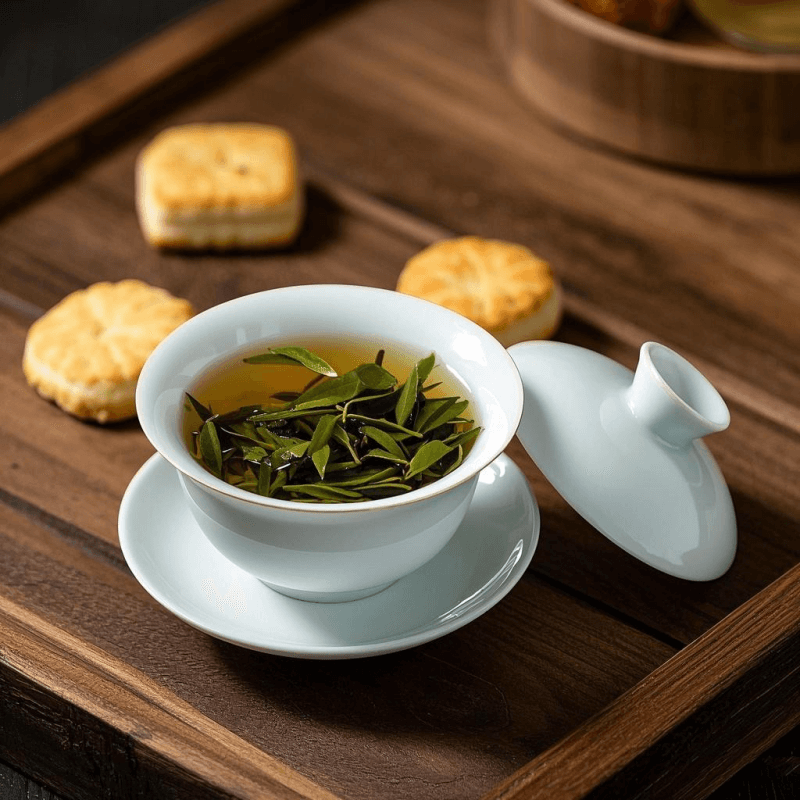
Gongfu brewing uses small vessels with multiple short steeps, revealing oolong’s evolving character across 6-10 infusions. Western style uses larger cups with single, longer steeps. Both work beautifully—gongfu for mindful sessions, western for convenient daily drinking.
Cold Brew for Smoother Taste
Cold brewing eliminates bitterness entirely, creating incredibly smooth oolong. Use 1 tablespoon loose tea per cup of cold water, steep 6-8 hours refrigerated. The result is naturally sweet with zero astringency—perfect for oolong newcomers.
My Favorite Oolongs & What They Taste Like
Tieguanyin remains my morning companion—that orchid-and-cream combination never gets old, with a texture that feels almost silky. Iron Goddess variations offer everything from light floral notes to deeper roasted character. For afternoons, I reach for Dong Ding, whose honey sweetness and gentle roast provide comfort without heaviness. Each offers a different mood, like choosing between classical and jazz.
Oolong vs Green vs Black (At a Glance)
| Aspect | Oolong | Green | Black |
| Flavor | Complex, floral-fruity | Fresh, grassy | Bold, malty |
| Caffeine | 30-50mg | 25-40mg | 40-70mg |
| Brewing | Multiple steeps | Single steep | Single steep |
| Body Feel | Balanced energy | Light alertness | Strong stimulation |
My 14-Day Oolong Log (Template You Can Copy)
Track your oolong journey with daily prompts: Day 1-3: Note initial taste impressions and energy levels. Day 4-7: Observe digestion and post-meal comfort. Day 8-11: Track sleep quality and afternoon energy stability. Day 12-14: Assess overall wellness feelings and flavor preferences. This simple tracking helps identify which oolong tea advantages resonate most with your body and lifestyle.
Quick Oolong Recipes
Cold Brew Oolong: 1 tbsp loose tea + 1 cup cold water, steep overnight. Citrus-Oolong Spritz: Cold brew oolong + sparkling water + lemon slice + mint. Gentle Oat-Milk Latte: Hot oolong + frothed oat milk + touch of honey. These simple preparations showcase oolong’s versatility beyond traditional brewing.
FAQs
When should I drink oolong tea? Morning through afternoon works best—the caffeine is gentler than coffee but still provides energy. Avoid within 6 hours of bedtime if you’re caffeine sensitive.
Is oolong tea good for weight loss? Studies suggest metabolic benefits, but oolong works best as part of overall healthy habits rather than a standalone weight loss solution.
How much caffeine is in oolong? Typically 30-50mg per cup, roughly half of coffee’s content, providing energy without excessive stimulation.
Can I drink oolong every day? Yes, for most people. The moderate caffeine and beneficial compounds make daily consumption generally safe and potentially beneficial.
Loose leaf or tea bags? Loose leaf offers superior flavor and the ability to re-steep multiple times. Quality bags work for convenience, but loose leaf unlocks oolong’s full potential.
The Bottom Line
After months of exploring different styles and brewing methods, I’ve found that oolong tea benefits extend far beyond what studies can measure. Yes, the research on metabolism, antioxidants, and heart health is compelling. But the daily ritual of brewing, the gentle energy that carries through afternoon meetings, the digestive comfort after meals—these personal experiences make oolong more than just another healthy beverage. It’s become a bridge between the rush of coffee culture and the intentionality of tea ceremony, offering both wellness advantages and genuine pleasure in every carefully steeped cup. Whether you’re drawn by the metabolic research or simply curious about that complex flavor profile, oolong rewards both your health and your taste buds in ways that feel sustainable and genuinely enjoyable.