
Introduction: How I First Discovered Oolong Tea
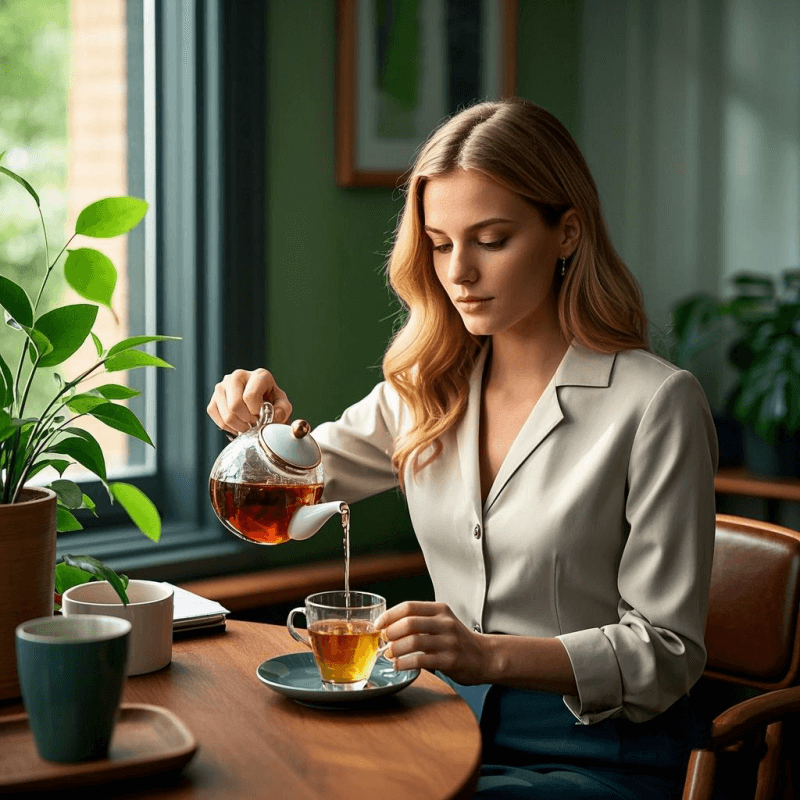
Three years ago, I walked into a small Chinese tea house in San Francisco’s Chinatown, desperately seeking refuge from the afternoon rain. The elderly proprietor, noticing my obvious discomfort with the unfamiliar surroundings, offered me a small cup of what she called “tie guan yin” oolong tea. As the amber liquid touched my lips, I experienced something completely unexpected. The flavor was neither the grassy brightness of green tea nor the robust boldness of black tea, but something beautifully in between – smooth, slightly roasted, with floral notes that lingered pleasantly. That single cup changed my relationship with caffeine forever and introduced me to benefits I never knew tea could provide.
What Is Oolong Tea?
Oolong tea represents the perfect middle ground in the tea world. Originating in the mountainous regions of China and Taiwan over 400 years ago, oolong undergoes a unique semi-oxidation process that places it precisely between green and black tea. While green tea is minimally oxidized and black tea is fully oxidized, oolong is oxidized anywhere from 20% to 80%, creating a spectrum of flavors and characteristics.
The traditional processing involves withering the leaves under the sun, then alternately shaking and resting them to bruise the edges. This careful oxidation process, followed by firing to stop the oxidation, creates oolong’s distinctive taste profile. To me, drinking oolong feels like experiencing the best of both worlds – the freshness of green tea combined with the depth and complexity of black tea, without the overwhelming intensity of either.
Health Benefits of Oolong Tea (With My Real Experience)
After six months of replacing my afternoon coffee with oolong tea, the changes in my body and energy levels became impossible to ignore. The most noticeable benefit was its effect on my metabolism and weight management. Unlike crash diets or supplements, oolong seemed to naturally curb my afternoon snack cravings while providing sustained energy. Research supports this experience, showing that oolong’s polyphenols can boost metabolism by up to 10% and help block dietary fat absorption.
The energy boost from oolong differs dramatically from coffee’s harsh spike and crash. Instead of jittery alertness followed by an inevitable slump, oolong provides what I can only describe as calm focus. The combination of caffeine and L-theanine creates sustained mental clarity without the anxiety that often accompanies my morning espresso habit.
Digestively, oolong became my secret weapon after heavy meals. The tea’s natural enzymes seemed to help break down fats and ease that uncomfortable feeling of being overly full. Traditional Chinese medicine has long recognized oolong’s digestive properties, and my personal experience validates this ancient wisdom.
Perhaps most surprisingly, my skin began to look clearer and more radiant after several months of consistent oolong consumption. The tea’s high antioxidant content, particularly EGCG and theaflavins, likely contributed to this improvement by fighting free radicals and supporting cellular health.
Emotional & Lifestyle Benefits
Beyond the physical benefits, oolong tea transformed my daily rhythm in unexpected ways. The brewing ritual itself became a form of meditation. Taking five minutes to heat water to the proper temperature, measure loose leaves, and watch them unfurl in the teapot created natural pause points in my hectic schedule.
Oolong became my “afternoon reset” – a moment of mindfulness that replaced mindless snacking or scrolling through my phone. The earthy, sometimes floral aroma had an almost therapeutic effect, signaling to my brain that it was time to slow down and refocus. This ritual aspect of tea drinking offered psychological benefits that went far beyond the beverage itself.
Possible Downsides (What I Honestly Noticed)
Oolong tea isn’t without its challenges. During my early weeks of drinking it, I learned the hard way not to consume it on an empty stomach. The tannins can cause nausea or stomach discomfort when there’s no food to buffer them. I also had to experiment with timing, as drinking oolong too late in the day affected my sleep quality due to its caffeine content.
Quality matters enormously with oolong tea. Cheap, low-grade versions can taste bitter and harsh, lacking the smooth complexity that makes good oolong so appealing. I wasted money on several disappointing purchases before learning to invest in higher-quality loose-leaf varieties.
How to Brew Oolong Tea for Best Benefits
Proper brewing technique unlocks oolong’s full potential. I heat water to around 190-200°F – hot enough to extract the complex flavors but not so hot as to create bitterness. Using approximately one teaspoon of loose leaves per cup, I steep for 3-5 minutes for the first infusion.
The beauty of quality oolong lies in its ability to be re-steeped multiple times, with each infusion revealing different flavor notes. I typically get 4-6 good steepings from the same leaves, with later infusions becoming progressively lighter and more floral. This multiple-brewing characteristic makes oolong economical despite its higher upfront cost.
Comparing Oolong Tea With Other Teas
Having experimented with various teas, I find oolong occupies a unique position. Compared to green tea, oolong provides more substantial energy and fuller flavor without being overwhelming. Against black tea, oolong offers more complexity and subtlety while still delivering satisfying depth.
My tea choice often depends on my mood and the time of day. Green tea suits my morning clarity needs, black tea works for afternoon energy boosts, but oolong has become my go-to for moments when I want both alertness and calm – particularly during work sessions requiring sustained focus.
Where to Buy Good Oolong Tea

Finding quality oolong requires some exploration. Local tea shops often provide the best guidance and allow you to smell and sometimes taste before purchasing. Online retailers like Teavivre or Mountain Tea have served me well, offering detailed descriptions and sourcing information.
Taiwanese oolongs, particularly those from high-altitude regions, have become my personal favorites due to their delicate floral characteristics. However, traditional Chinese varieties like Tie Guan Yin offer excellent entry points for newcomers. Loose-leaf varieties consistently outperform tea bags in both flavor and health benefits.
Why Oolong Tea Became a Daily Habit for Me
Two years into my oolong journey, this tea has become more than just a beverage – it’s a daily practice that supports both my physical health and mental well-being. The transition from coffee dependency to tea appreciation taught me to value quality over convenience and mindfulness over speed.
Oolong tea offers a sustainable way to maintain energy and focus while supporting overall health. For friends struggling with coffee jitters, afternoon energy crashes, or simply seeking a more mindful approach to their daily beverages, I consistently recommend exploring oolong tea. It represents not just a healthier choice, but a more intentional way of living – one mindful sip at a time.