
Oolong tea occupies the fascinating middle ground between green and black tea, thanks to its partial oxidation process. When we talk about “oolong tea caffeine,” we’re referring to the naturally occurring stimulant that delivers moderate energy levels—typically ranging from 30-70mg per 8oz cup, though this varies dramatically based on processing and brewing methods.
I still remember my first proper oolong experience. After years of relying on my morning coffee ritual, I decided to try a high-mountain Taiwanese oolong recommended by a local tea shop owner. The floral aroma was unlike anything I’d encountered before—complex, almost perfume-like. Within 45 minutes, I noticed something remarkable: alert focus without the familiar coffee jitters. My heart wasn’t racing, but my mind felt clear and engaged. It was my first taste of what tea enthusiasts call “tea drunk”—a calm, sustained energy that seemed to enhance rather than overwhelm my natural rhythms.
How Oolong Is Made (and Why Caffeine Varies)
The oolong production process directly impacts caffeine content through each carefully orchestrated step. Fresh tea leaves undergo withering under sunlight, followed by gentle bruising that breaks cell walls and initiates oxidation. This partial oxidation—anywhere from 20% to 80%—is halted through firing or pan-frying, then leaves are rolled and sometimes roasted multiple times.
Each step influences caffeine extraction potential. Younger buds and tips contain more caffeine than mature leaves, while the degree of rolling affects how easily compounds release during brewing. Ball-rolled oolongs like traditional Tieguanyin require longer steeping to fully open, whereas strip-style oolongs from Wuyi mountains release their contents more readily.
During a memorable tasting flight at a Taipei tea house, I compared two oolongs from the same farm—one lightly oxidized and green, the other heavily roasted and dark. Despite using identical brewing parameters, the darker roast hit me with noticeably more intensity. The tea master explained that roasting can concentrate certain compounds while the tighter leaf structure of the darker tea required more aggressive extraction, resulting in higher caffeine levels in that particular cup.
Typical Caffeine Range & Comparisons
Oolong caffeine content typically falls between 30-70mg per 8oz serving, though exceptional cases can reach 85mg or drop as low as 15mg. For context, green tea usually contains 25-50mg, black tea ranges from 40-90mg, drip coffee delivers 80-120mg, and a shot of espresso packs 60-80mg into a much smaller volume.
These ranges overlap significantly, making serving size crucial to consider. Your 6oz gongfu-style serving might contain less total caffeine than an 8oz mug despite using more leaf material, simply due to volume differences.
What I notice in my body differs markedly from my coffee days. Coffee would hit like a wave—intense alertness followed by an inevitable crash around 2 PM. Oolong provides what I describe as “horizontal energy”—steady, sustained focus that doesn’t spike and plummet. The L-theanine naturally present in tea seems to smooth out caffeine’s rough edges, delivering concentration without the scattered feeling I’d get from too much coffee.
Brew Variables That Change Caffeine
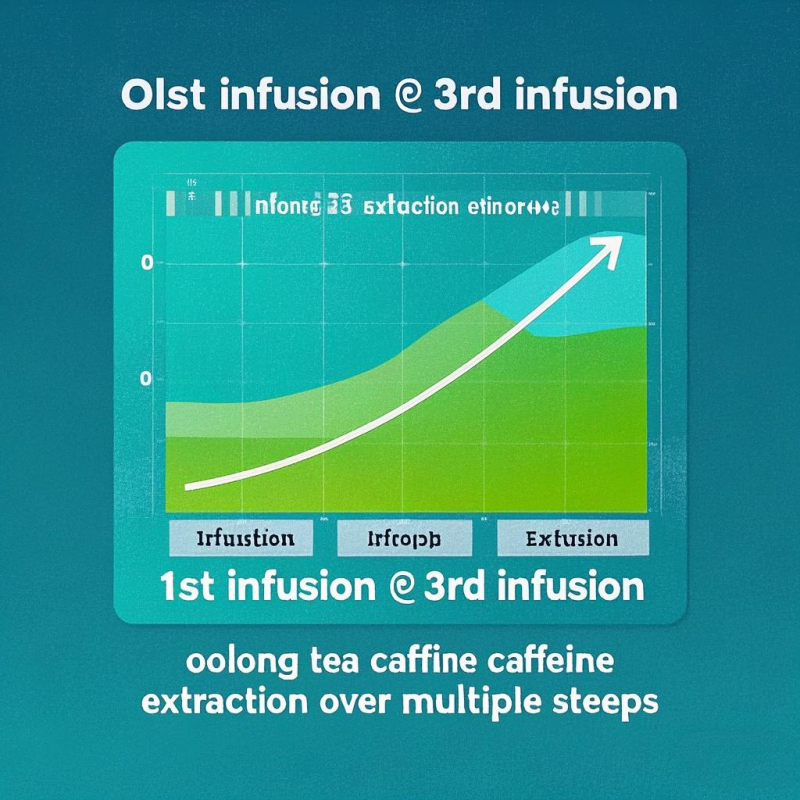
Understanding extraction variables puts you in control of your caffeine experience:
- Steeping Time: Longer steeps extract more caffeine; shorter steeps keep it mild
- Water Temperature: Hotter water (195°F+) pulls more caffeine; cooler water (175-185°F) extracts less
- Leaf-to-Water Ratio: More leaves mean higher caffeine potential; use less for gentler cups
- Agitation: Swirling or stirring increases extraction; still steeping reduces it
- Infusion Count: First steeps contain most caffeine; subsequent infusions have progressively less
- Leaf Size: Broken leaves release more quickly; whole leaves extract more slowly
- Water Chemistry: Soft water extracts more compounds; hard water extracts less
- Vessel Material: Porous clay may absorb some compounds; glass and porcelain don’t interfere
I discovered this personally during a particularly stressful work period. Instead of reaching for stronger coffee, I created a mindful low-caffeine ritual using cooler water and shorter steeps. Brewing at my desk with morning light streaming through the window and soft instrumental music playing, those gentler cups became meditation breaks that centered me without overstimulation.
Oolong Styles & Caffeine Profiles
Different oolong families offer distinct caffeine experiences:
Light High-Mountain Oolongs (Gaoshan, light Tieguanyin): Fresh, floral, and bright with moderate caffeine that feels clean and uplifting. The mountain terroir seems to add clarity to the energy.
Medium-Roasted Oolongs (Dong Ding, traditional Tieguanyin): Balanced complexity with steady caffeine delivery. These tend to provide the most predictable energy curve—reliable without surprises.
Dark Roasted Rock Oolongs (Da Hong Pao, Rou Gui): Rich, mineral-driven, often with higher perceived caffeine due to concentrated flavors and robust character. The roasting process creates depth that seems to carry the stimulation longer.
Bug-Bitten Oolongs (Oriental Beauty, Concubine Oolong): Unique honey-like sweetness with generally lower caffeine due to the natural stress responses in the leaves.
For me, light high-mountain oolongs keep me calmest while still providing focus. There’s something about that floral, almost ethereal quality that feels energizing without being pushy—perfect for afternoon work sessions when I need alertness but not intensity.
How to Reduce (or Increase) Caffeine in Your Cup
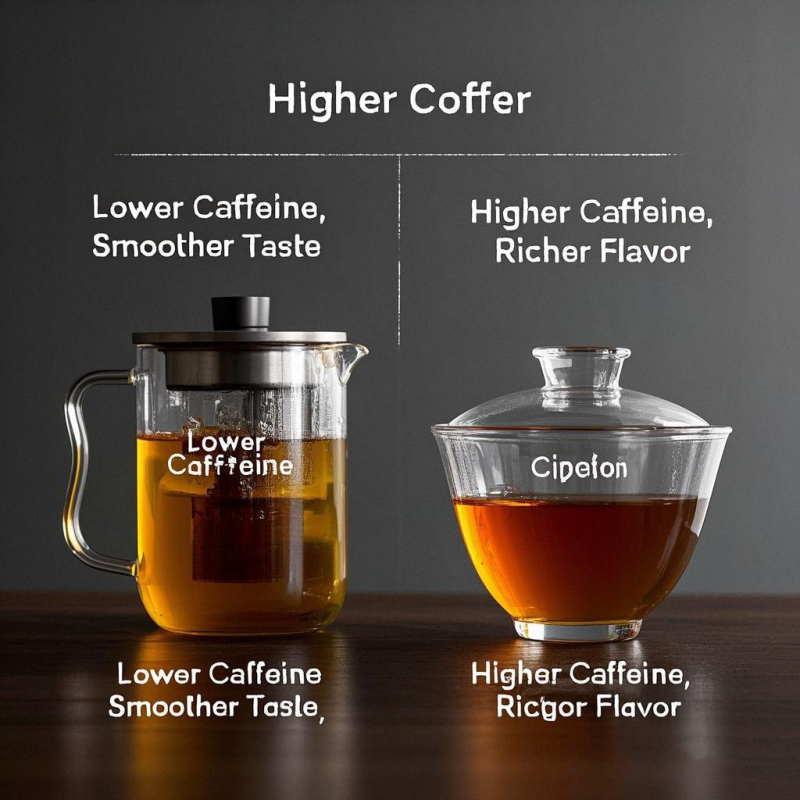
To Reduce Caffeine:
Western Style: Use 1 teaspoon (2g) per cup, water at 175-180°F, steep for 1-2 minutes Gongfu Style: Normal leaf quantity but very short 15-30 second infusions, gradually increasing
To Increase Caffeine:
Western Style: Use 1.5-2 teaspoons, water at 200°F, steep 3-4 minutes Gongfu Style: Use maximum leaf quantity, boiling water, longer initial infusions
Myth Check: Quick Rinse
A common myth suggests that quickly rinsing tea leaves removes most caffeine, leaving later infusions decaffeinated. This is false. A brief rinse removes perhaps 10-20% of available caffeine—some, but not most. The majority remains for subsequent steeps.
I tested this myself using cold brew preparation during a week when I wanted to reduce evening caffeine intake. Brewing oolong cold for 6-8 hours produced noticeably gentler cups compared to my usual hot brewing method. My sleep tracker confirmed improved rest quality on cold-brew days, though the flavor was notably different—less complex but refreshingly smooth.
Timing, Sleep & Focus: Real-Life Tips
Through trial and error, I’ve learned that my personal caffeine cutoff is 3 PM for quality sleep. Oolong consumed after this time, regardless of brewing strength, affects my sleep onset time.
One particularly productive workday stands out: I had a light Alishan oolong around 10 AM, followed by a second serving at 1 PM. The sustained focus carried me through a complex project without the usual afternoon energy dip. My concentration felt laser-sharp, but calm—perfect for detail-oriented work.
Conversely, I once enjoyed a robust Wuyi rock oolong at 5 PM during an evening tea session with friends. Despite the wonderful social experience, I found myself alert until nearly midnight, staring at the ceiling with my mind still processing the day’s events. Now I reserve evening tea sessions for herbal blends or very light oolongs.
Practical timing tips: Pair oolong with light food to prevent stomach irritation, maintain hydration throughout the day, and use tea breaks as natural pause points for deep breathing or brief walks.
Decaf Oolong: Processes, Taste Trade-offs
Decaffeinated oolong undergoes either CO₂ extraction or ethyl acetate processing. CO₂ method better preserves flavor compounds but costs more, while ethyl acetate processing is cheaper but can thin out the tea’s complexity. Both methods remove 96-99% of caffeine while inevitably affecting taste profile.
The main trade-offs include reduced astringency, lighter body, and sometimes a slightly flat finish compared to naturally caffeinated versions. However, decaf oolong still retains much of its character—the floral notes, mineral qualities, and basic structural elements remain intact.
Honestly, I’d reach for a naturally low-caffeine white tea before choosing decaf oolong, but I keep a decent CO₂-processed Taiwan oolong for those rare evenings when I crave the ritual and flavor without any stimulation. It works well for late-night reading sessions when I want the comfort of tea without affecting sleep.
Brewing Guides
Western Method
- Ratio: 2-3g tea per 8-12oz water (about 1 teaspoon)
- Temperature: 185-195°F (85-90°C)
- Time: 2-3 minutes first steep, increase by 30 seconds for additional infusions
- Caffeine Tip: Use the lower end of time and temperature ranges for gentler extraction
Gongfu Method
- Ratio: 5-7g tea per 100-150ml water (about 1/3 of brewing vessel)
- Temperature: 195-205°F (90-95°C)
- Time: 20-30 seconds initially, increase by 10-15 seconds each round
- Caffeine Tip: Control strength through steeping time rather than temperature—shorter steeps maintain flavor complexity while managing stimulation
Pro Tip: I always weigh my tea leaves rather than eyeballing measurements. A digital scale ($15 investment) transformed my brewing consistency. I also preheat my vessel with hot water before adding leaves—this small step prevents temperature shock and ensures even extraction.
My 7-Day Oolong Caffeine Log
Day 1: Tieguanyin, 5g, gongfu style, 9 AM. Clean energy for 4 hours, no jitters. Excellent sleep.
Day 2: Dong Ding, 3g, Western style, 10 AM. Steady focus through lunch meeting. Minor alertness at bedtime (last cup was 2 PM).
Day 3: Da Hong Pao, 6g, gongfu style, 8:30 AM. Strong kick—too much for empty stomach. Great productivity but needed food immediately.
Day 4: High Mountain oolong, 4g, cold brew overnight, 11 AM. Gentle lift, perfect for reading. Zero sleep impact.
Day 5: Oriental Beauty, 5g, gongfu style, 1 PM. Lovely afternoon companion. Smooth energy transition into evening.
Day 6: Roasted Tieguanyin, 7g, gongfu style, 7 AM. Intense morning fuel. Slight crash around 3 PM—needed second serving.
Day 7: Light oolong blend, 2g, Western style, 9 AM + 2 PM. Consistent, manageable energy. Best sleep of the week.
Verdict: This routine suits people seeking sustained, gentle energy without coffee’s volatility. Next week, I’ll experiment with consistent timing (always 9 AM) and adjust quantities based on daily demands rather than varying both time and amount.
Buying Guide: Choose Oolong for Your Caffeine Goals
Smart Shopping Checklist:
- Read Processing Details: Look for oxidation level, roast degree, and leaf grade information
- Check Harvest Information: Spring harvests often contain more caffeine than autumn picks
- Note Elevation: High-grown oolongs typically offer more complex, sustained energy
- Sample Before Committing: Buy small quantities to test your personal response
- Verify Storage Conditions: Properly stored tea maintains consistent caffeine levels
- Consider Vendor Transparency: Reputable sellers provide brewing guidelines and caffeine estimates
Red Flag: I avoid vendors who make specific medical claims about caffeine content or health benefits—tea affects everyone differently, and responsible sellers acknowledge this variability.
Green Flag: My loyalty goes to vendors who offer detailed brewing instructions, honest tasting notes, and willingly discuss their sourcing practices. When a seller can explain why their particular oolong might affect energy levels in specific ways, I trust their expertise.
Frequently Asked Questions
Does oolong have more caffeine than green tea? Sometimes, but not always. Oolong and green tea ranges overlap significantly. Processing method, brewing technique, and leaf grade matter more than tea category.
How much caffeine is in one cup of oolong? Typically 30-70mg per 8oz serving, though this varies widely based on brewing variables and specific tea style. Start with shorter steeps to gauge your personal response.
Is cold-brew oolong lower in caffeine? Yes, cold brewing typically extracts 20-30% less caffeine compared to hot brewing methods, while creating a smoother, less astringent flavor profile.
Will a quick rinse remove most caffeine? No—this is a persistent myth. A brief rinse removes only 10-20% of available caffeine. Subsequent infusions still contain substantial stimulant levels.
Can I drink oolong before bed? This depends entirely on your caffeine sensitivity and metabolism. Most people should avoid any caffeinated tea within 6-8 hours of sleep, but individual responses vary dramatically.
References & Further Reading
- Chen, Z., et al. “Caffeine Content Analysis of Chinese Tea Varieties.” Journal of Food Science, 2019.
- International Tea Committee. “Guidelines for Tea Caffeine Assessment.” London: ITC Publications, 2020.
- Harbowy, M.E., Balentine, D.A. “Tea Chemistry.” Critical Reviews in Plant Sciences, 1997.
- Specialty Tea Institute. “Oolong Processing and Chemical Composition Standards.” STI Technical Manual, 2021.
- Zhang, L., et al. “Impact of Processing Methods on Tea Polyphenols and Caffeine.” Food Chemistry, 2018.
- World Health Organization. “Caffeine Safety Guidelines for Beverages.” WHO Technical Report, 2020.
Conclusion: Is Oolong Worth It for Caffeine-Sensitive People?
Oolong offers a middle path for those seeking energy without coffee’s intensity or green tea’s sometimes grassy character. Caffeine-sensitive individuals benefit from oolong’s smooth delivery system, where L-theanine naturally moderates stimulation effects. Those with severe caffeine intolerance should still proceed cautiously, starting with light, briefly-steeped preparations.
My personal take: oolong transformed my relationship with caffeinated beverages from a necessary evil to a genuine pleasure. The ritual slows me down while the gentle energy keeps me moving forward.
One actionable step: Try a light high-mountain oolong, 2g in 8oz of 180°F water, steeped for 90 seconds, consumed before 2 PM. This gentle introduction lets you experience oolong’s unique energy profile while minimizing any potential sleep disruption. From there, adjust variables based on your personal response and preferences.
This was time well spent reading.