
Oolong is a spectrum—from green-leaning floral to dark, toasty, mineral—so matching style to brew method is everything.
My First Oolong That Blew My Mind
I still remember unwrapping my first Tieguanyin. The moment I opened the packet, waves of sweet cream and fresh orchids hit me. But that first sip? Disaster. I’d treated it like black tea—boiling water, five-minute steep—and got a bitter, astringent mess that made me wince.
I learned the hard way that oolong demands respect. Drop the temperature to 95°C, cut the time to two minutes, and suddenly that same tea became silk in a cup. The lesson stuck: oolong rewards technique, punishes carelessness.
What Is Oolong, Exactly?
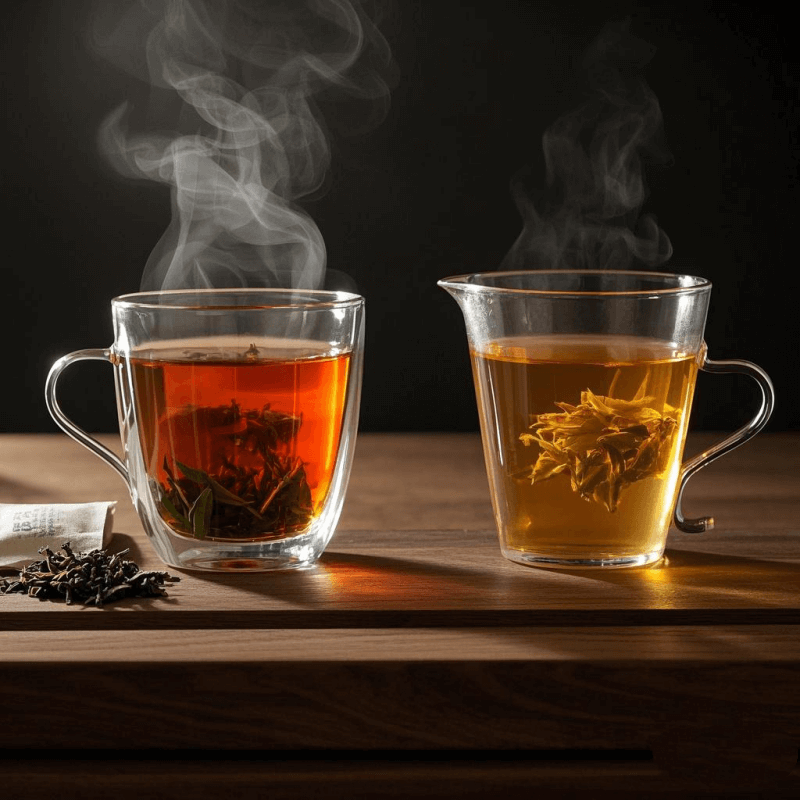
Oolong sits in tea’s sweet spot—semi-oxidized between 10-80%, bridging the gap between green tea’s freshness and black tea’s boldness. The magic happens in the processing: withering the leaves, bruising them through rolling or shaking, controlling oxidation, then stopping it with heat (kill-green), shaping through rolling, drying, and often roasting.
The roast level changed everything for me. Light roast preserved those floral, creamy notes. Medium roast added caramel depth. Heavy roast? Pure liquid campfire—mineral, toasty, warming.
Style Map: Major Oolong Families
Fujian, China
- Tieguanyin (TGY): My gateway drug. Tightly rolled balls that unfurl into creamy, floral complexity. Perfect for beginners.
- Wuyi Yancha (rock oolong): Da Hong Pao, Rougui, Shui Xian—these are the rebels. Roasty, mineral-driven, with spice that lingers. I reach for these on cold mornings.
Guangdong, China
- Dancong (Phoenix): Single-bush aromatics that blow your mind. Orchid, honey, tropical fruit—nature’s own flavor lab.
Taiwan
- High Mountain oolongs: Alishan, Lishan—silky, alpine, buttery. These taste like mountain air.
- Dong Ding: Balanced roast meets caramelized sweetness. My all-day sipper.
- Oriental Beauty: The wild card. Bug-bitten leaves create honeyed, muscat grape notes. Sounds weird, tastes incredible.
Flavor Spectrum & Mouthfeel
Oolong flavors dance across axes: floral to fruity to honeyed to creamy to toasty to mineral. But here’s what textbooks don’t tell you—it’s about the aftertaste. That lingering sweetness (huigan) that builds between sips, the way good oolong makes you salivate, the warming sensation (cha qi) that spreads through your chest.
I’ll never forget a Yancha that tasted ordinary on first sip, then bloomed into waves of cinnamon and stone fruit that lasted twenty minutes after my last swallow.
Buying Oolong Without Regrets
Start with loose leaf—always. Bags can’t contain oolong’s complexity. Look for whole leaves, even roast color, and clean aromatics. Recent roast dates matter for heavily roasted styles.
Common traps I’ve learned to avoid:
- “Milk oolong” often means artificial flavoring, not the natural creaminess of Jin Xuan cultivar
- Cheap “Da Hong Pao” is usually a blend, not the legendary single-bush tea
- Over-scented teas masking poor base quality
My three non-negotiables: reputable vendor, sample sizes first, and always check the dry leaf aroma before buying full quantities.
Brewing Methods That Actually Work
Water matters: Fresh, lightly mineralized, never heavily chlorinated.
Western style (beginner-friendly): 2-3g per 250ml, 90-95°C, 2-3 minutes. Re-steep 1-2 times, adding 30 seconds each round.
Gongfu style (maximum flavor): 5-7g per 100-120ml gaiwan, 95-98°C. Quick rinse for roasted styles, then 8-15 second infusions, gradually lengthening. This method unlocks oolong’s true potential.
My default temperatures: TGY gets 92°C, Yancha demands 98°C, high mountain Taiwans sing at 94°C.
Troubleshooting: Bitter? Lower temperature or shorter time. Flat and lifeless? Go hotter with more leaf.
7-Day Tasting Plan
Transform your palate in one week:
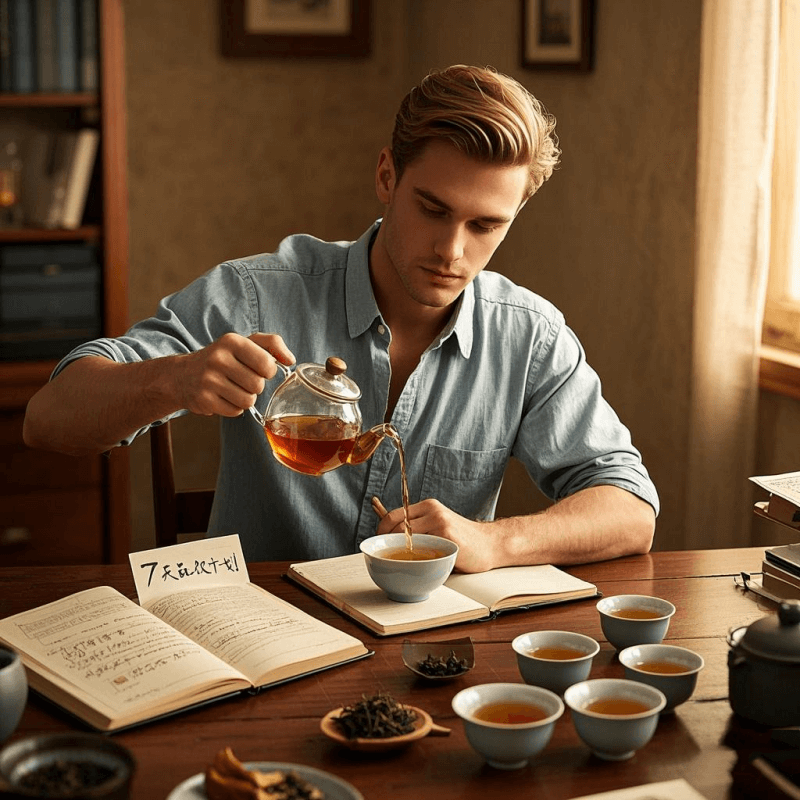
Days 1-2: One floral oolong (TGY works), same ratio, two different temperatures. Document everything. Day 3: Wuyi rock oolong. Focus on how roast affects flavor. Day 4: Dancong. Chase those shifting aromas across multiple steeps. Day 5: Taiwan high mountain. Pay attention to texture and lingering sweetness. Day 6: Oriental Beauty. Balance that oxidation sweetness against any bitterness. Day 7: Blind taste two samples. Write down what changed in your technique.
Most surprising discovery from my first week? How much water temperature affected the same tea’s personality.
Storage & Freshness
Keep it simple: airtight, opaque, cool, dry, away from kitchen odors. Lighter, greener oolongs fade faster—drink them within a year. Heavily roasted styles can develop complexity but still prefer sealed freshness.
My biggest storage mistake? A beautiful glass jar on a sunny windowsill. Six months later, my prized Dong Ding tasted like cardboard.
Who Will Love Oolong—and Who Might Not
You’ll love oolong if you: enjoy complexity that evolves sip by sip, don’t mind learning brewing techniques, and appreciate both floral delicacy and roasted depth.
You might struggle if you: want consistent flavor every time, prefer simple one-step brewing, or dislike spending time on tea preparation.
My first purchase recommendation? A medium-roast Tieguanyin from a reputable vendor. It’s forgiving to brew, shows oolong’s range clearly, and won’t break your budget while you learn.
Oolong isn’t just tea—it’s a conversation with centuries of craftsmanship, a meditation in leaf and water, and proof that some of life’s best pleasures require a little patience to unlock.